The Waterhouse Girls

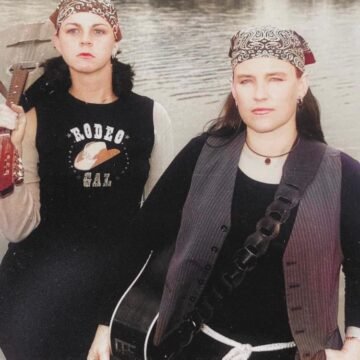
Some musical partnerships arrive with strategy and ambition. Others happen by accident—two voices colliding at exactly the right moment. The Waterhouse Girls belong firmly to the latter.
This is the story of two young mothers who found each other in the margins of everyday life—between school runs, and whispered rehearsals during nap time—and discovered that their shared love of songwriting and harmony was something rare. Together, Australian singer-songwriters Lisa Waterhouse and Elizabeth Hamilton built a body of work rooted in lived experience, emotional honesty, and the quiet determination it takes to keep creating while raising five children between them.
Their journey began in 2002. It paused before it was finished. And, against the odds, it has begun again.
Origins
Lisa Waterhouse’s love affair with music started early and never loosened its grip. Raised on a steady diet of Elvis Presley, Billy Joel, ELO, The Eagles, and The Doobie Brothers, she immersed herself completely—singing, dancing, listening. At just 12 years old, she enrolled in South Australia’s first Johnny Young Talent School. Watching a close friend perform on television, and later seeing a barefoot, guitar-playing songstress sing The Rose live, sealed her fate. She didn’t just want to sing—she wanted to write.
Money and family support were scarce, but determination wasn’t. At 15, Lisa bought her first guitar—a $20 nylon-string—and played it relentlessly, teaching herself to fingerpick and accompany her voice. Within a year, she wrote her first full song, The Eyes of a Child, a haunting piece told from the perspective of a child watching the Vietnam War tear their family apart.
By 16, her own family had fractured, and Lisa was on her own. Music became both refuge and release. She wrote constantly, travelled the world with a backpack, played in bands, and eventually recorded her first solo album in 1998.
Elizabeth Hamilton’s path into music couldn’t have been more different. She grew up surrounded by it. Her father possessed a powerful gospel voice and sang regularly in church, and Liz found her own confidence through harmony—quiet at first, then increasingly free. Gospel, blues, soul, and harmony-rich bands shaped her sound. Singing wasn’t just expression; it was connection.
The Collision
In 2002, Lisa created a women’s music register—a safe space for female musicians of all levels to connect, collaborate, and perform. One monthly meeting was held in Liz’s hometown. A family friend had handed her a copy of Lisa’s solo album, Life at the Blue Moon Café. Liz went home and learned every song.
At the meeting, she introduced herself quietly, then belted out a Kasey Chambers song that stopped the room. She asked Lisa if she could sing harmony on her originals. Lisa agreed—then realised Liz knew every lyric.
Their voices locked instantly. Effortless. Electric. They knew. The Waterhouse Girls were born.
Between Songs and School Runs
They wrote and rehearsed every Tuesday and Thursday, fitting sessions between feeds, refereeing sibling arguments, organising activities, and whisper-singing while babies slept. Focused and disciplined, they quickly amassed a catalogue of original songs and began performing at open mics and showcases like King of Song and Peregian Originals.
Momentum followed. They recorded their first live studio album, Only If You Knew, which led to ABC and community radio spots, editorials, and an ever-growing slate of performances—street fairs, festivals, weddings, school fetes, and local venues.
One song, Laura, written about a small South Australian town where Lisa’s mother grew up, caught the attention of the Laura Folk Festival. Invitations followed, year after year. Port Pirie ABC Radio interviewed the duo and ran a songwriting competition inspired by the track.
Things were moving—until they weren’t. Lisa received a serious health diagnosis and was forced to stop singing altogether. For two years. Doctors told her she might never sing again.
A Stage, One More Time
Faith, stubbornness, and hope can be a dangerous combination—but sometimes they work. Against medical advice and expectation, Lisa entered The Waterhouse Girls into a commercial radio competition offering a Main Stage slot at the Caloundra Music Festival. They won.
Which raised the obvious question: Could she still sing? Lisa rebuilt her voice slowly, then intensely—six weeks to prepare a full festival set. They stepped onto the biggest stage of their lives, sharing it with artists like The Whitlams, Kate Miller-Heidke, and Vanessa Amorosi. They played one more show after that—then life, as it often does, intervened. Families grew. The duo drifted. Music went quiet.
The Long Way Back
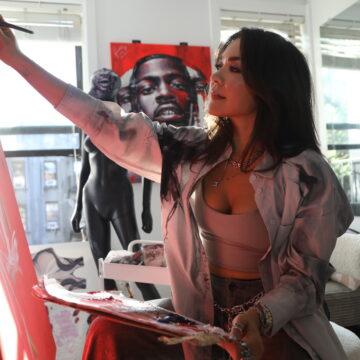
During the hiatus, Lisa never stopped writing. She attended songwriting retreats, master guitar classes, and production courses. She also became deeply involved in guiding her youngest daughter Jolie Waterhouse (artist name L.i.E) through a fast-moving music career that began gaining traction at just 13
Jolie’s journey took her through multiple producers, studios, and creative pivots—from early recordings she chose not to release, to working with acclaimed producer Stuart Stuart (Sheppard, The Veronicas, Dean Lewis), to sessions in Byron Bay with Garrett Kato. Her tracks earned UK songwriting awards, sync placements, and industry attention. Eventually, Jolie chose education first, attending Brisbane’s Music Industry College, putting music on pause with plans to relaunch in 2026. And quietly, in the background, The Waterhouse Girls waited.
Reunion
In 2024, with children grown and time reclaimed, Lisa and Liz reconnected and did what felt most natural: they played. Their first show back was at The Triffid in Brisbane. The spark was still there
Now reunited, they’re writing, recording, and performing again—planning a new name, a rebrand, an expanded band, and a return to streaming in 2026. With Lisa’s recent studies in music production, they’ve gained creative freedom to fully explore and evolve their sound.
Resilience defines them. So does humility, faith, laughter, and an unwavering belief in honest songwriting. Their songs are human—layered with intensity, melody, rhythm, and rich harmonies that feel lived-in rather than polished for effect.
Ask them about standout tracks and they’ll say, “The ones we haven’t written yet.” But press them, and they’ll agree on favourites: Come On World, Old Fashioned Letter, Shadow, Coming Through, Driving on Empty, and Mysterious Woman
As for how they write—Lisa never leaves home without an audio recorder, capturing melodies and lyrics as they arrive, while Liz sees songs as moving images, scenes unfolding like films. Different processes, same result. Creativity that ebbs and flows, offering catharsis—and joy—especially on stage.
Some stories don’t end when the music stops. They wait.
And The Waterhouse Girls are still singing.